
Professional Biometric Access Control System Supplier and Installer
A Reliable Partner for Secure Access Solutions
Valsys supports businesses and homeowners across Singapore with dependable installation and configuration of the biometric door access system. The team focuses on providing solutions that are stable, practical, and suitable for daily use in a wide range of properties.
A Range of Biometric Technologies for Different Needs
Modern access control goes beyond keys and swipe cards. Many clients choose systems that combine fingerprint scanning, facial recognition, card-based biometrics, or PIN-based biometrics to strengthen entry control. These options help match the level of security required for different environments.
Authorised Supplier of ZKTeco Biometric Systems
Valsys works with reputable brands that offer reliable biometric performance, including ZKTeco. These systems are known for consistent identification accuracy and straightforward integration with existing security setups, making them suitable for both new projects and upgrades.
Suitable for Offices, Homes, Warehouses & High-Security Sites
The biometric door access system is used across a wide range of properties in Singapore. Offices adopt it for staff management; condominiums and HDB homes appreciate its convenience; and warehouses and data centres rely on it for controlled access. Each installation is selected and configured to support the specific security needs of the space.
Biometric Access Control Made Practical
Biometric access works by verifying unique physical traits such as fingerprints or facial patterns to grant entry. This reduces the need for keys or passcodes, which can be misplaced or shared. A well-set-up system provides consistent identification and helps prevent unauthorised access, offering a practical way to secure doors in everyday settings.
Types of Biometric Access Systems
Fingerprint Access Systems
Fingerprint access remains the most widely adopted option for everyday use. It suits offices, co-working spaces, and residential properties where users want quick entry without carrying cards or keys. The system reads the unique patterns on a fingertip to grant or deny access, offering a practical balance of convenience and reliability.
Facial Recognition Access Systems
Facial recognition provides a fully contactless experience, which is especially helpful in high-traffic or hygiene-sensitive areas. The camera maps key facial points to confirm identity within seconds, making it suitable for lobbies, lift lobbies, and shared workspaces that see frequent movement throughout the day.
Fingerprint, Card, and PIN Hybrid Systems
Hybrid systems combine multiple authentication methods. Many organisations prefer this approach when they need a higher level of control, such as requiring both a fingerprint and a card, or a PIN and a card. This multi-factor setup enhances access accuracy while allowing flexible entry rules for different user groups.
Palm, Vein, and IR Biometric Systems
These systems rely on deeper biological markers such as palm patterns, vein structures, or IR-based recognition. They are typically used in environments that require a higher security standard, including data centres, restricted labs, and critical facilities where identity verification must be highly consistent.
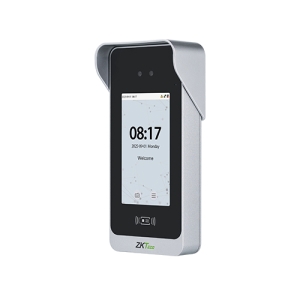
SpeedFace M4
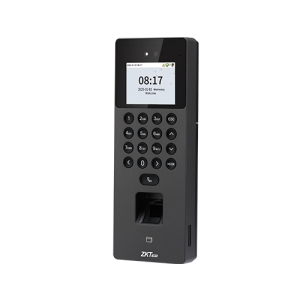
SenseFace 2A
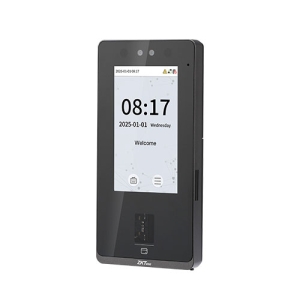
SenseFace 4A
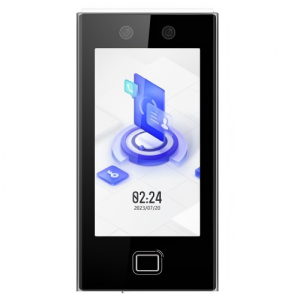
DS-K1T670MFWX
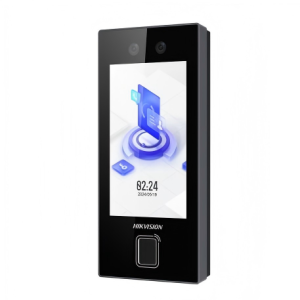
DS-K1T344MBFWX-E1
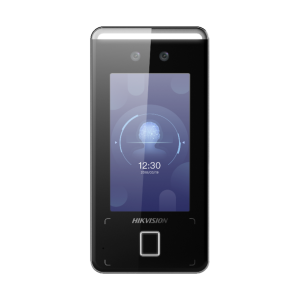
DS-K1T341CMF
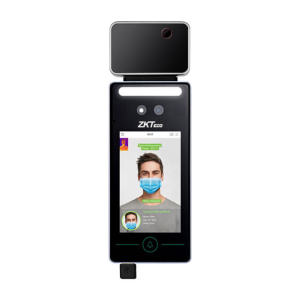
SpeedFace-V4L[TI]
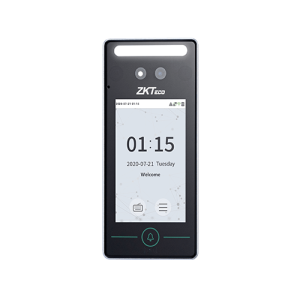
SpeedFace-V4L
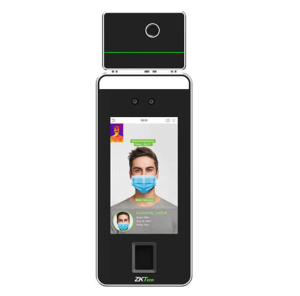
SpeedFace-V5L[TI]
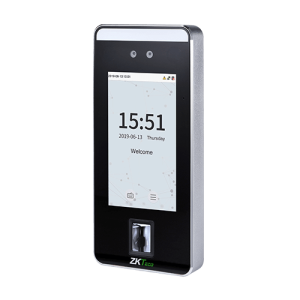
SpeedFace-V5L
Standalone and Networked Access
Standalone systems are suitable for single doors or small units. They operate independently and are simple to maintain. Networked access, on the other hand, supports multi-door integration across larger offices or facilities. This setup centralises permission control and entry logs, making it easier to manage staff access across different zones.

ZKBio Access IVS: Centralised Security Management Platform
ZKBio Access IVS is a lite web-based security platform developed by ZKTeco which supports most ZKTeco Biometric Access Control System Hardware. It provides abundant functionality that full management requirements of small- to medium-sized businesses: Personnel Management, Access Control, Attendance Management, Video Surveillance, System Management.
Features
-
Web-Based Attendance Module
-
Supports T&A devices using the New Platform Core Board with ADMS function
-
Supports setup of attendance points on A&C devices and video cameras to generate T&A logs
-
Reliable Video Management System module
-
Supports basic video surveillance functions, including real-time live view, playback, video recording, remote searching, etc.
-
Supports facial recognition NVR to realize intelligent recognition functions
-
Supports English/ Spanish/ Thai/ Indonesian/ Vietnamese/ Traditional Chinese and Simplified Chinese
-
Supports language switching in real-time
-
Supports self-registration of temporary staff with QR codes
-
Supports HTTPS protocol for data security
-
Stable, fast and consistent communication
-
Reliable access control logic
-
Automatic data backup
-
Alarms and events email notification
-
Available to upgrade to standard ZKBioSecurity software
System Topology
Gain a clear understanding of how our advanced biometric systems and devices interconnect with this system topology. This layout showcases the seamless integration of key components, including network switches, standalone access control units, and facial recognition NVRs, to secure door access and manage authentication efficiently. By mapping out the system’s architecture, you can optimise performance and strengthen security across your premises.

Why Singapore Businesses Choose a Biometric Door Access System
Enhanced Security Through Identity Verification
A biometric door access system verifies users through unique identifiers such as fingerprints, facial features or palm patterns. This helps businesses control entry more accurately and reduce the risk of unauthorised access to restricted areas.
No Risk of Lost or Duplicated Keys and Cards
Traditional keys, cards and tags can be misplaced, shared or duplicated. Biometric access removes this concern because users do not need to carry physical credentials. This gives business owners better control over who can enter the premises.
Faster Entry and Improved Convenience
Employees and authorised users can enter quickly without searching for cards or remembering PINs. This is useful for offices, retail units and warehouses where staff movement needs to remain smooth during busy hours.
Accurate Audit Trail and Access Logs
Every access attempt can be recorded with the user, time and entry point. These logs support attendance tracking, internal reviews and workplace accountability, especially for businesses that need clear records of staff or contractor movement.
Touchless Access for Hygiene-Sensitive Environments
Facial recognition and other contactless options allow users to enter without touching a shared scanner or keypad. This can be useful for clinics, offices, food-related facilities and other environments where hygiene is a daily priority.
Remote Management for Multi-Site Operations
Businesses with more than one location can manage access permissions from a central platform, depending on the system configuration. Administrators may add users, remove access and review logs without having to be physically present at every site.
Integration with CCTV and Alarm Systems
Biometric access can be connected with CCTV, alarms and other security systems to create a more complete setup. When access events are linked with video footage or alerts, businesses can review incidents more clearly and respond with better context.
How to Choose the Right Biometric Door Access System in Singapore
Selecting the right system depends on how your property operates day to day. Different buildings have different access demands, and choosing the correct setup ensures smooth entry control for staff, residents, or visitors.
Required Security Level
Spaces with sensitive information or restricted areas may require higher-assurance methods, such as facial, palm, or vein recognition. General offices and retail units often prefer fingerprint or hybrid systems that balance convenience with control.
Number of Users
The size of your user group influences the type of system you need. Smaller teams can rely on basic fingerprint access, while larger organisations may need systems that support more templates, faster processing, and centralised management.
Indoor and Outdoor Placement
Outdoor entrances require devices that can withstand heat, rain, and humidity. Indoor units can prioritise comfort and speed instead of weather resistance. Understanding your placement needs helps determine the right hardware for each door.
Integration with Existing Systems
Many businesses want their biometric system to work with current CCTV, alarms, or time attendance software. Choosing a compatible device ensures smoother data flow and easier daily management.
Access Traffic Flow
Busy entrances with frequent traffic benefit from fast, contactless verification. Facial recognition is suited to lobbies and high-traffic corridors, while controlled rooms with lower traffic may use fingerprint or hybrid access.
Preferred Authentication Methods
Some teams prefer fingerprints for convenience, while others choose PINs plus cards for flexibility. Your daily workflow helps determine which method suits users best.
Budget and Long-Term Scalability
A well-chosen system should grow with your organisation. It helps to consider maintenance needs, future expansion, and whether additional doors or user groups will be added later.
Biometric Door Access System Installation in Singapore
A proper installation ensures stable daily performance and reduces future maintenance issues. Each project is tailored to the building’s layout and the required level of security.
On-Site Assessment
The process begins with a detailed review of your entry points, user flow, and existing infrastructure. This helps determine the most suitable devices and integration approach.
Device Placement Planning
Correct positioning ensures smooth verification and prevents tailgating or blind spots. The placement also takes into account user height range, lighting, and physical constraints around the doorway.
Door Strike or Magnetic Lock Setup
The access device must work hand in hand with the door’s locking mechanism. Installers will configure electronic door strikes or magnetic locks to match your chosen biometric system and your building’s fire safety considerations.
Wiring and Bracket Installation
Cables, brackets, and mounting points are securely fitted to ensure long-term stability. Clean wiring routes also help with maintenance and reduce the risk of accidental disconnection.
Software Configuration
Once the hardware is in place, the system software is set up. This covers user permissions, access schedules, integration settings, and communication with NVRs or existing security platforms where applicable.
User Enrolment
Authorised users are registered into the system through fingerprints, facial scans, or other chosen identifiers. This step ensures that the access list reflects your operational structure.
Testing and Commissioning
Before handover, the entire setup undergoes a full test. This includes unlocking responses, backup authentication, fail-safe behaviour, entry logs, and integration with CCTV or alarms. Once the system is confirmed to be stable, it is ready for daily use.
FAQs about Biometric Door Access System
What happens if the scanner fails?
If a biometric scanner fails or experiences downtime, backup access options such as PIN codes or keycards can still be used. In integrated setups, the connected surveillance camera system can help verify entry attempts and maintain security visibility during the disruption. Valsys Technologies also provides on-site support and maintenance to restore full system functionality quickly and efficiently.
Can I use biometrics + card/PIN together?
Yes, multi-factor authentication is supported by many systems, allowing users to combine biometric verification with a card or PIN for added protection. This is especially useful for workplaces that require tiered access control or additional verification for sensitive areas. Learn more about our office door access system in Singapore for integrated authentication options.
Are biometric door access systems secure?
Yes, biometric door access systems offer higher security than traditional methods. The unique biological traits of each individual are difficult to replicate, which reduces the risk of unauthorised access.
What happens if the biometric system fails or there is a power outage?
Most systems can be configured with backup access methods such as PIN codes, access cards or manual override options. For sites that need simpler entry control during outages or system downtime, standalone access control systems may also be considered as part of the overall access setup.
Can biometric door access systems be integrated with other security systems?
Yes. Biometric systems can be integrated with CCTV cameras, alarm systems and building management systems to support more complete security monitoring. If you are planning a new setup or upgrading an existing one, contact us to discuss a configuration that suits your premises.


