
Our Access Control Systems Categories
Explore our range of access control system solutions designed to enhance security and streamline management. Each product is tailored to address specific security requirements, ensuring optimal protection and efficiency for various environments.
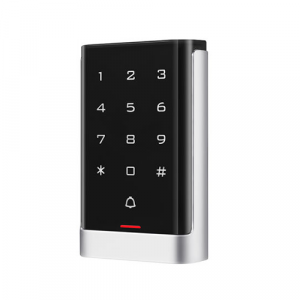
T1102
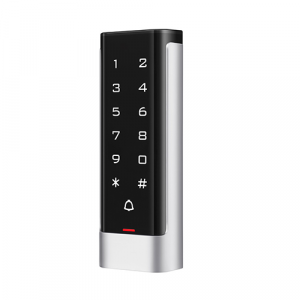
T1101
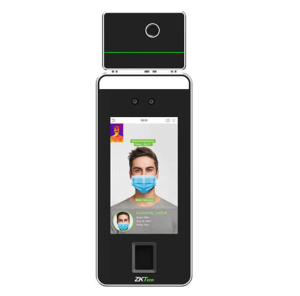
SpeedFace-V5L[TI]
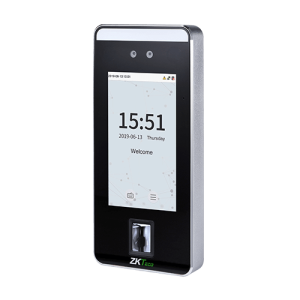
SpeedFace-V5L
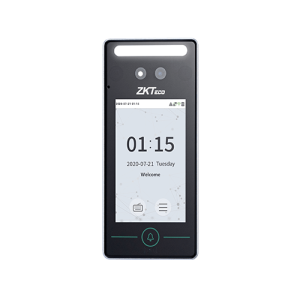
SpeedFace-V4L
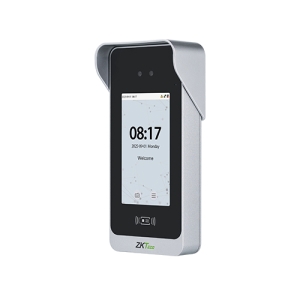
SpeedFace M4
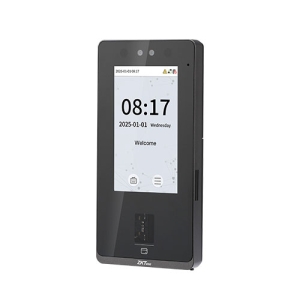
SenseFace 4A
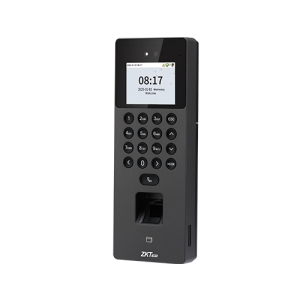
SenseFace 2A

F22
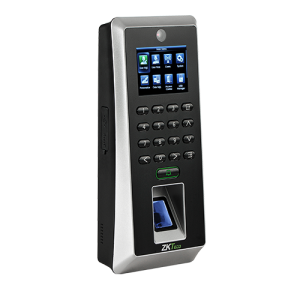
F21

EntryPass Access Control System
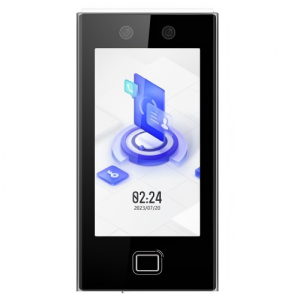
DS-K1T670MFWX
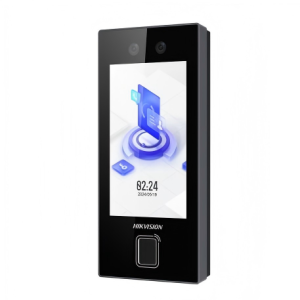
DS-K1T344MBFWX-E1
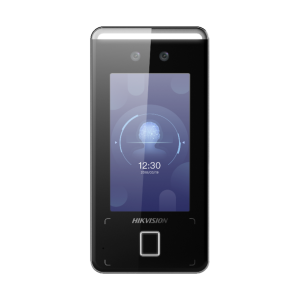
DS-K1T341CMF

Atlas Series Access Control System
What is an Access Control System?
An access control system is a type of entry control system that manages who can enter a space, when they can enter, and under what conditions. Instead of relying on traditional keys, it uses digital authentication methods to confirm a person’s identity and grant or restrict access.
The process works quietly in the background. A user presents their access credentials at a reader, such as a card scanner, biometric device, or keypad. The system then passes this information to a controller, where identity verification takes place. If the credentials are valid, the controller signals the lock to open.
Modern systems support a range of credential types to suit different environments and security requirements.
These typically include:
- Card-based access such as RFID cards (e.g. EM, MIFARE, HID)
- Biometric identification, including fingerprint and facial recognition
- QR code access for temporary or mobile-based entry
- PIN or password-based authentication
Each method offers a different balance of convenience and security. Card and PIN systems are widely used for everyday access, while biometric options provide a higher level of assurance by linking access directly to an individual’s physical traits.
Core Benefits of an Office Door Access System
Installing an office door access system can manage centrally gives organisations greater control over workplace security while reducing the administrative burden associated with physical keys. Beyond controlling entry, the system can support day-to-day operations through access records, flexible permissions, and faster credential management.
Enhanced Security
- Restrict entry to authorised employees, visitors, and contractors rather than relying on conventional keys.
- Protect offices, server rooms, storage areas, and other restricted spaces by controlling access at individual entry points.
- A door access system businesses configure around their security requirements can reduce the risk of unauthorised walk-ins by ensuring users must present an approved credential before entry.
- Access controls can also help discourage tailgating, although preventing it fully may require complementary measures such as staff awareness, turnstiles, or monitored entry points
Real-Time Tracking
- Maintain digital records showing who accessed a controlled door and when.
- Review entry and exit activity when investigating security incidents or checking access to restricted areas.
- Networked access systems can provide administrators with transaction logs and reporting capabilities, creating a clearer audit trail than conventional keys alone.
Cost Efficiency
- Avoid replacing an entire physical lock when an employee loses a card or leaves the organisation.
- Lost or stolen credentials can be deactivated quickly, while replacement credentials can be issued without changing the door hardware.
- A centrally managed access control system use across multiple doors can also reduce the time spent distributing, collecting, and managing physical keys as staffing requirements change.
Customisable Access Levels
- Decide which employees can enter specific offices, floors, departments, or restricted areas.
- Assign permissions according to a person’s role, team, location, or authorised access period.
- Door entry systems can accommodate different levels of access, allowing organisations to give employees the access they need without automatically granting entry to every secured area.
Types of Access Control Models
Different access control systems follow structured models that determine how permissions are assigned and managed. These models shape how users are granted access, based on rules, roles, or ownership.
Mandatory Access Control (MAC)
Administrators set fixed access rules that determine who can enter specific areas. These permissions are centrally managed and cannot be changed by individual users.
Discretionary Access Control (DAC)
Administrators can assign and adjust access permissions for specific users or areas as needed, making it easier to accommodate changing workplace requirements.
Role-Based Access Control (RBAC)
Administrators assign access according to job roles or responsibilities. Employees with the same role can receive the same permissions, reducing the need to manage access individually.
Types of Door Access Systems We Offer
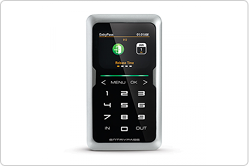
Card Access System
Card access systems use RFID cards such as EM, Mifare, or HID to grant entry. These systems are widely used in offices due to their affordability and ease of use.
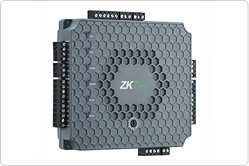
Biometric Access System
Biometric systems verify identity using unique physical traits such as fingerprints or facial recognition. These systems offer higher security and eliminate the need for physical credentials.
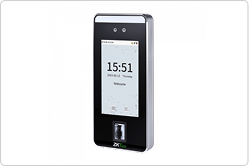
QR Code/Mobile Access System
Modern access systems allow users to unlock doors using dynamic QR codes or mobile credentials. This is particularly useful for visitor management and temporary access.
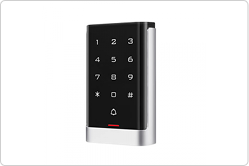
PIN/Password Access System
PIN-based systems use keypad entry and are often deployed in smaller setups where cost efficiency is a priority.
Office Door Access System in Singapore
An office door access system is essential for managing employee entry and safeguarding workplace assets. Businesses can control access across departments, restrict entry to sensitive areas, and track movement within the premises.
Is a simple design which is direct connect the door controller, reader, electromagnetic lock, door button and emergency break-glass.
Is suitable for small office or home office which is only need to control one or two door.

Figure 1. Standalone Door Access Control System by RFID Card(EM, MiFare, HID and etc) Identification
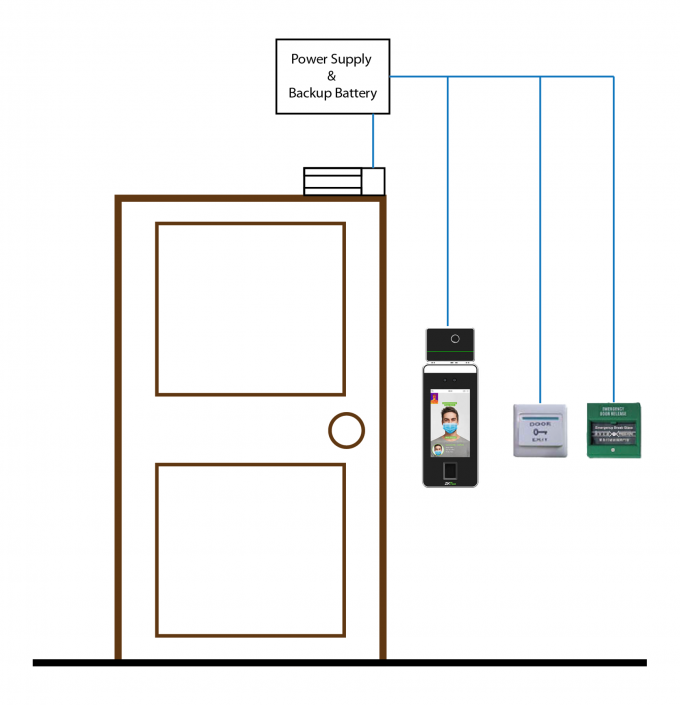
Figure 2. Standalone Door Access Control System by Biometric (Face/Fingerprint/Palm) Identification
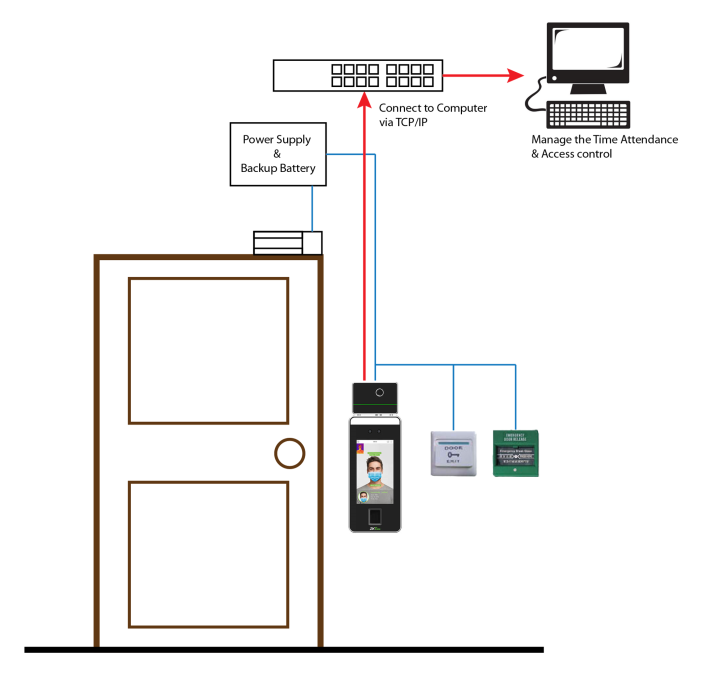
Figure 2.1 Network Connected Door Access Control System by Fingerprint Identification
Active Network Access Control System provide the solution for powerful combinations of door access control and alarm monitoring within off-line networks.
The System is now capable to handle multi door in single controller.
Figure 3. Active Network Multi Door Access Control System
The WEB-Based enable active network multi door controller allowing us to control or manage the access control via internet browser. It support the major internet browser Internet Explore, Mozilla Firefox, Google Chrome.
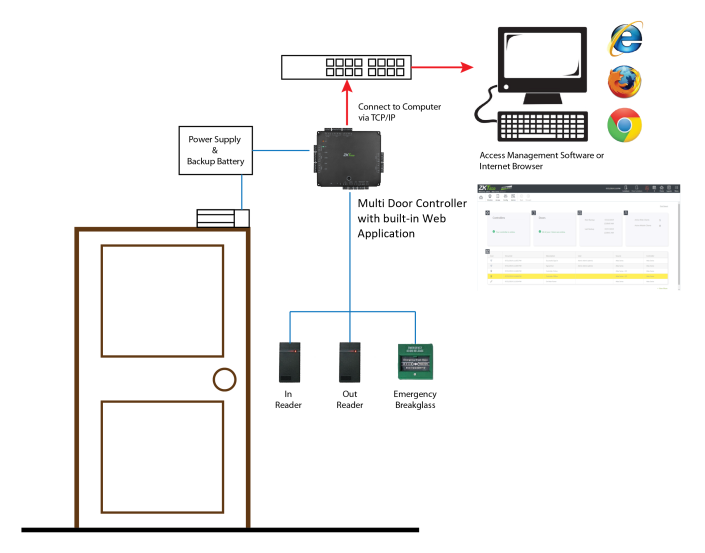
Figure 4. WEB-BASED Active Network Multi Door Access Control System
Now we can unlock the door using QR code. Don’t waste anymore money on key cards, key fobs, and bluetooth app credentials. Unlock an access control door by simply putting a single-use QR code up to the reader. You can obtain the QR code from the completely free ZKey app on your mobile device. Once a QR code is used, simply hit the refresh button to get a new code, preventing the possibility of code sharing.
Demo Video – Click Here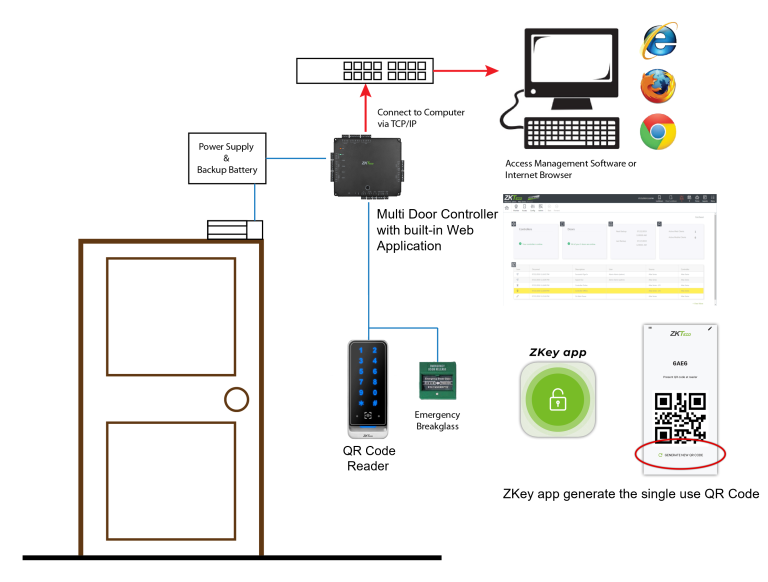
Figure 5. QR Code Reader with WEB-BASED Active Network Multi Door Access Control System
Why Choose Valsys Technologies
Choosing the right provider matters just as much as selecting the right system. A well-designed access control setup should not only secure your premises, but also adapt to your operational needs over time.

Licensed Under the Singapore Police Force and bizSAFE 3-Certified
Valsys Technologies operates in compliance with local regulatory standards and safety requirements. Being licensed under the Singapore Police Force and holding bizSAFE Level 3 certification reflects a commitment to proper installation practices, workplace safety, and dependable service delivery.

Wide Range of Products with Various Identification Modes
Valsys Technologies offers a comprehensive selection of access control solutions to suit different environments. From card-based systems to biometric and QR-enabled entry, businesses can choose from multiple identification modes that align with their preferred authentication methods and level of security.

Enjoy 100% Reassurance with Our Reliable and Proven Expertise
Security is not something to leave to chance. With years of hands-on experience across residential, commercial, and industrial projects, Valsys Technologies delivers systems that are built to perform consistently, giving you confidence in your entry control system day to day.

Professional Installation and Support
A system is only as effective as its implementation. From initial setup to ongoing maintenance, Valsys Technologies provides professional installation and responsive support, ensuring your system continues to function smoothly while safeguarding your access credentials and user data.
FAQs About Our Access Control System
What is an access control system?
An access control system is a retail security solution that regulates who can enter or exit a premises or specific areas within a premises. It can include electronic locks, card readers, and software to manage access permissions.
Why should I install an access control system?
Installing an access control system enhances security by restricting unauthorised access, protecting sensitive areas, and providing a record of entry and exit times. It also improves convenience by eliminating the need for physical keys.
A surveillance camera system can further enhance security by providing real-time monitoring of your premises.
What are the benefits of using a card access system in an office environment?
A card access system offers numerous benefits for office environments. It enhances security by controlling and monitoring who enters and exits the premises, ensuring only authorised personnel gain access. The security system also provides flexibility in managing access rights and simplifies access management with quick, contactless entry.
What happens if a card is lost or stolen?
The primary advantage of an office door access system in Singapore is that a lost or stolen card can be deactivated instantly by the administrator in the software. A replacement can be issued immediately without the need to expensively change physical door locks.
For offices looking to upgrade their access control, Valsys offers promotional packages on our systems.
How much does an access control system cost in Singapore?
Costs vary depending on the number of entry points, system type, and chosen authentication methods. Basic setups using cards or PIN-based access credentials are more affordable, while biometric or integrated entry control systems typically cost more.
For an accurate estimate, contact us so that we can assess your specific requirements and the level of identity verification needed.
Are there specific regulations for access control systems in Singapore?
Yes. They include compliance with the Personal Data Protection Act (PDPA), which governs the handling of personal data, ensuring that access control systems protect individuals’ privacy. Additionally, the systems must meet local safety standards and building codes, including the Fire Safety Act, which mandates that access control systems do not impede emergency evacuation routes.
What should I consider when choosing an access control system provider in Singapore?
You may consider the provider’s reputation, the technology they offer, customer support, integration capabilities, and compliance with local regulations. Reading reviews and seeking recommendations can also be helpful.


